Makan kaki, kopi kaki, gym kaki: how to find your people in Singapore
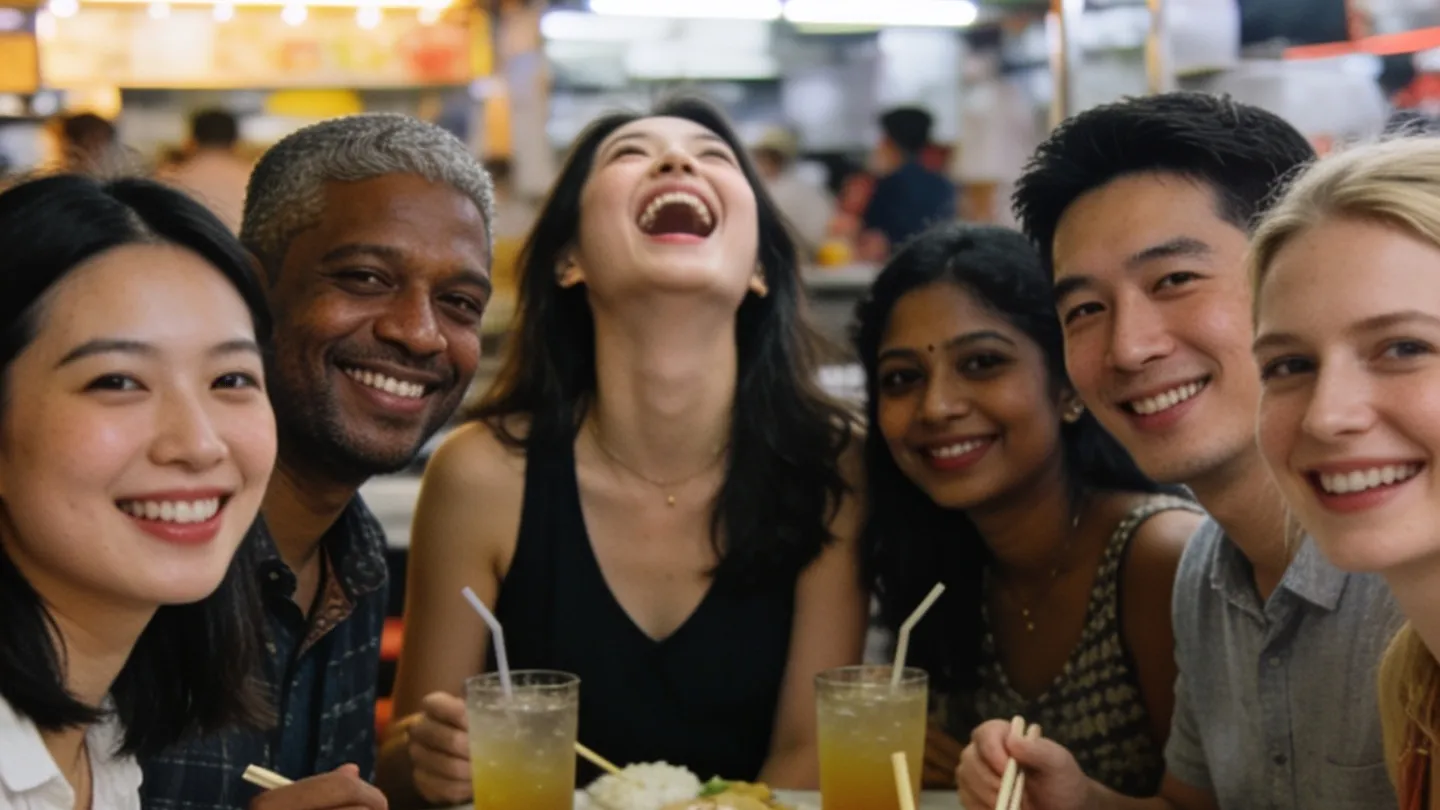
A makan kaki is a food buddy, the friend you call when you want to eat somewhere good. "Makan" is Malay for eat and "kaki" is Singlish for a companion you share an activity with, so the same idea gives you a kopi kaki, gym kaki or jogging kaki. To find one, pick a regular food or activity ritual, invite one person, and keep it going.
What "kaki" means
In Singlish, a kaki is a friend or companion, most often someone you do a particular thing with. Honeycombers' Singlish guide sums it up with a classic example: "She's my makan kaki. We hunt down hidden hawker gems every week together."
The word's roots are a little tangled, which is very Singlish. The Chimbridge Singlish Dictionary links it to the Malay kaki, meaning leg or foot, which is also used for someone who is fond of an activity. That explains the activity sense, as in kopi kaki or mahjong kaki. It adds that the plain "friend" meaning may come from the Hokkien ka ki nang, roughly "one of us", and that the two may have merged because they sound alike.
Whatever its origin, the idea is useful: friendships often grow fastest around a shared habit.
The kaki family
- Makan kaki: your food buddy, for hawker hunts, new openings and supper runs.
- Kopi kaki: the friend you meet for kopi or coffee, often at the same kopitiam each time.
- Gym kaki: someone you train with, who makes it harder to skip a session.
- Jogging kaki: a running partner for early-morning loops.
- Badminton kaki: your regular court partner.
- Mahjong kaki: the people who complete your table.
Why food is the easiest place to start
Singapore's hawker centres were made for this. When UNESCO inscribed Hawker Culture in Singapore on its Representative List of the Intangible Cultural Heritage of Humanity in December 2020, its decision described hawker centres as "community dining rooms" where people from all backgrounds gather to eat. Food gives you something to talk about, a natural end point, and an easy excuse to meet again ("we still haven't tried the other stall").
Makan kaki ideas by area
Planning a food outing is simple when you have a theme. A few well-known hawker centres to build plans around:
- Chinatown: Maxwell Food Centre and Chinatown Complex Food Centre. Go early on weekdays, as popular stalls sell out.
- Tiong Bahru: Tiong Bahru Market, about five minutes' walk from the MRT, is a classic weekend breakfast. Some stalls open from 5.30am and sell out by noon.
- Raffles Place: Lau Pa Sat's Satay Street comes alive in the evenings, which makes it a good after-work meet.
- Little India: Tekka Centre sits right above Little India MRT, with biryani and prata worth sharing.
- Serangoon: Chomp Chomp Food Centre in Serangoon Gardens is evening only, with most stalls opening around 5 to 6pm. There is no MRT station nearby, so plan your ride.
- East side: Old Airport Road Food Centre, about two minutes from Dakota MRT, is a big, varied centre that is quieter after 2pm.
Stall hours change and some close without notice, so check before you go.
A good makan kaki ritual has a theme: one dish across three hawker centres, one new neighbourhood each month, or a "the queue is the point" Saturday. Themes give people a reason to come back.
Kopi kaki ideas
Kopi is the lowest-pressure meet-up there is. It takes 30 minutes, costs very little, and works before work, at lunch or on a weekend morning.
- Pick a regular spot near both of you, such as a kopitiam in Toa Payoh or Katong.
- Set a standing time, for example the first Saturday of each month.
- Try a structured coffee. Timeleft runs coffee meet-ups for small groups of strangers in Singapore on Saturdays at 3pm, if you would like to meet new people rather than one person.
Gym kaki and jogging kaki ideas
- ActiveSG gyms are inexpensive at S$2.50 an entry for citizens and PRs (S$3.30 standard), which makes it easy to agree a regular session with a friend.
- Run clubs are the fastest way to find a jogging kaki, and most are free. See our guide to running groups in Singapore.
- Badminton and table tennis are naturally social. Our guide to finding badminton and table tennis partners covers booking and prices.
How to find your kaki
- Start with people you already know. A colleague who always talks about food is a makan kaki waiting to happen. Invite them to one specific place.
- Join a group. Meetup lists Singapore groups such as I Walk I Hike I Eat I Travel, which combines outings with food, plus game nights and other social groups.
- Try a group meal. Formats like Timeleft's dinners match you with strangers. Our guide to dinner with strangers in Singapore compares the options.
- Host a small crawl. Invite four to six people, pick a hawker centre and a time, and ask everyone to bring a friend.
- Follow up. If someone was good company, suggest the next outing before you say goodbye.
Meeting a new kaki safely
Hawker centres and coffee shops are public and busy, which makes them ideal for first meet-ups. Tell a friend where you are going, make your own way there and home, and keep personal details private until you know someone. Never send money or gift cards to someone you have not met in person. If anything feels off, call the ScamShield Helpline on 1799.
A new option: Now I'm Open
Now I'm Open is a new, free web app from Singapore, launched in October 2026 for adults 18 and over. It is still small, so be patient while it grows.
Posting a kaki request is the whole idea. In Friends mode, you write a short card such as "Open to a chicken rice crawl in Chinatown, Sat lunch" or "Open to a weekly gym session in Bishan, 7am". You see like-minded people nearby by area only, and you connect only when you both say yes. Signed-in members see each other's photos, selfie verification gives a Verified badge, and you can leave a reference after you meet. Women can choose to show their cards only to women.
Not sure which kaki you need most? Take the one-minute quiz, or read how to make friends in Singapore.
Questions people ask
What does makan kaki mean?
A makan kaki is a food buddy: someone you regularly go out to eat with. 'Makan' is Malay for eat, and 'kaki' is Singlish for a friend or companion, usually one you share an activity with. So a makan kaki is the friend you message when you want to try a new hawker stall, queue for a famous plate or go on a supper run.
Where does the word kaki come from?
It is usually linked to the Malay word kaki, meaning leg or foot, which is also used for someone fond of an activity. A Singlish dictionary notes that the 'friend' sense may also come from the Hokkien 'ka ki nang', meaning roughly 'one of us', and that the two meanings may have merged because they sound the same.
What is a kopi kaki?
A kopi kaki is a coffee buddy, the friend you meet for kopi at a kopitiam or café. The same pattern works for almost any activity: a gym kaki trains with you, a jogging kaki runs with you, a mahjong kaki makes up your table, and a badminton kaki is your regular court partner.
How do I find a makan kaki in Singapore?
Start where people already eat together. Invite a colleague to try a hawker centre near work, join food-focused groups on Meetup, try a group dinner format such as Timeleft, or organise a small hawker crawl yourself. Keep it regular, such as a monthly Friday supper, and a food buddy usually follows.
Can I find a makan kaki on Now I'm Open?
You can try. Now I'm Open is a new, free web app from Singapore, launched in October 2026, so membership is still small. You post a short Friends card, such as 'Open to a chicken rice crawl in Chinatown, Sat lunch'. People nearby see your area only, and you connect only if both of you say yes.
Sources
- Singlish Dictionary (Chimbridge): kaki
- Honeycombers: Singlish 101 (January 2026)
- NEA: Hawker culture is Singapore's first inscription on UNESCO's Representative List (2020)
- Destination.com: Singapore hawker centres guide (April 2026)
- ActiveSG Circle: Individual facility rates
- Timeleft Singapore
- Meetup: Events and groups in Singapore
- ScamShield: Internet love scams
More guides
- Apps to make friends: an honest comparisonAn honest look at apps to make friends as an adult, from BFF by Bumble and Meetup to Timeleft and Peanut: what each is good for and what to watch for.
- Table tennis and badminton in Singapore: where to play and how to find a kakiWhere to play table tennis and badminton in Singapore, current ActiveSG and community club prices, how booking works, and how to find a badminton kaki.
- Book Clubs in Singapore: Where to Find Your Reading PeopleFind a book club in Singapore: Silent Book Club sessions, free NLB library clubs in four languages, independent clubs, the Writers Festival and DIY tips.
- Dating apps in Singapore: an honest 2026 comparisonTinder, Bumble, Hinge, Coffee Meets Bagel and more, compared for Singapore: how matching works, verification and indicative SGD prices.
- Dinner with strangers in Singapore: social dining, supper clubs and how to do it safelyHow to have dinner with strangers in Singapore: Timeleft, supper clubs with communal tables, home dining, Meetup groups and doing it yourself safely.
- Feeling lonely in Singapore: what helps, and where to find supportFeeling lonely in Singapore is more common than it looks. What the local data says, small steps that help, and helplines like SOS 1767 and mindline 1771.